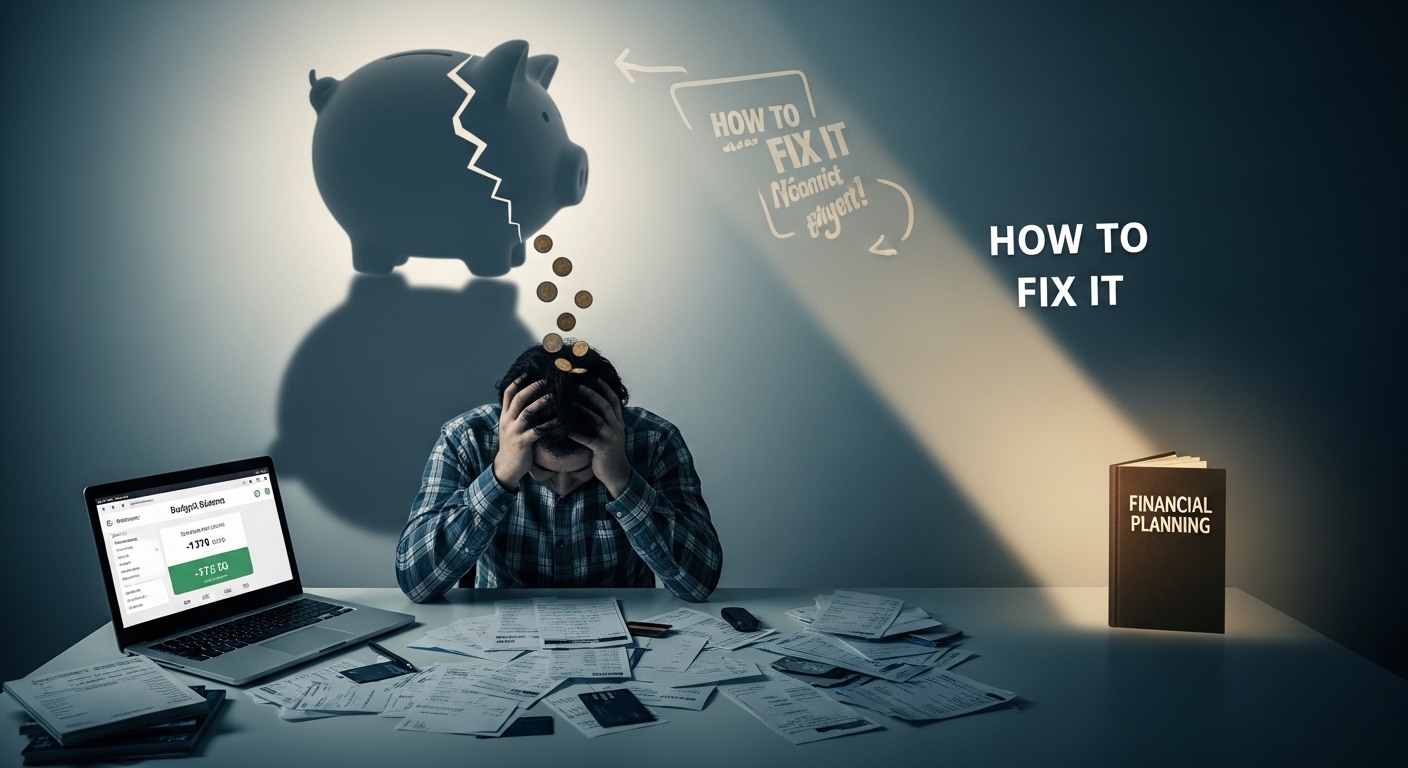
You told yourself this month would be different.
You planned.
You tried to be careful.
You even said “I won’t spend unnecessarily.”
But somehow… halfway into the month, your account balance is already telling a different story.
Sound familiar?
The truth is, most people are not broke because they don’t earn money.
They’re broke because they don’t understand how money behaves.
Let’s break this down in a real and practical way.
1. You Spend Based on Feelings, Not Plans
Money and emotions don’t mix well.
You don’t always spend because you need something.
Sometimes you spend because:
- You’re stressed
- You want to feel good
- You don’t want to miss out
- Others are doing it
That random food order or “small” online purchase or unnecessary upgrade. Individually, they don’t look like much but together, they quietly drain your finances.
Reality check:
If your spending is emotional, your financial life will always feel unstable.
2. You Don’t Track Where Your Money Goes
Most people don’t actually know where their money goes, they just know it’s “finished.” This is one of the biggest financial traps because what you don’t measure, you can’t control. You might think: “I don’t spend that much”, but when you actually track it, you realize:
- Food is taking a huge chunk
- Subscriptions are piling up
- Small daily expenses are adding up
Awareness alone can change your behavior.
3. You Focus on Income but Ignore Structure
Many people believe: “If I just earn more, I’ll be fine.” But more money without structure often leads to more spending. This is why some people earn a lot and are still broke. Money needs direction. A simple structure could look like:
- Needs (essentials)
- Savings
- Investments
- Flexible spending
Without structure, money flows aimlessly and anything without direction eventually disappears.
4. You Don’t Pay Yourself First
Most people spend first and save what is left.
The problem? There’s usually nothing left. The smarter approach is: Save first, spend what remains. Even if it’s small or uncomfortable. This builds discipline and ensures your future is not neglected for today’s comfort.
5. You Underestimate Small Money Habits
People often ignore small expenses because they seem insignificant. But small habits create big outcomes over time. For example: Daily snacks, frequent transport upgrades, impulse purchases. These things don’t look dangerous. but consistency makes them powerful. In the same way, small savings habits can transform your life.
How to Fix It (Starting Now)
Let’s make this practical. You don’t need to become a financial expert overnight. You just need to start making better decisions consistently.
1. Track Your Money for 7 Days
Don’t overcomplicate it. Just write down everything you spend for one week. This alone will open your eyes.
2. Create a Simple Spending Plan
Not a strict budget that frustrates you. Just a clear idea of:
- What you must spend
- What you should save
- What you can enjoy
Clarity reduces waste.
3. Reduce One Unnecessary Expense
Not everything at once. Just pick one thing and cut it down. That small win builds momentum.
4. Start Saving — Even If It’s Small
Don’t wait until you “have enough.” Start with what you have. Consistency matters more than amount.
5. Think Long-Term, Not Just Now
Before spending, ask: “Will this matter in one month?” That simple question can save you a lot of money.
Final Thoughts
Being broke is not always about how much you earn. It’s often about: How you think, how you spend, how you plan. Money is a tool. If you don’t control it, it will control you. But once you understand it—even at a basic level—you begin to gain freedom. And financial freedom doesn’t start with millions, it starts with awareness, discipline, and small intentional decisions.