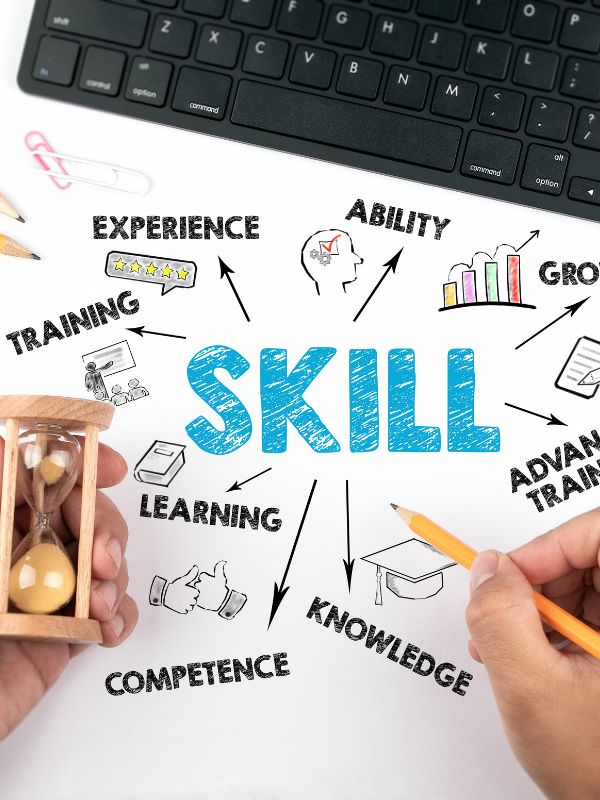
One of the biggest challenges beginners face when trying to make money online is the question of experience. Many opportunities require proof of work, yet beginners often feel stuck because they have never worked with real clients. This creates a cycle where people believe they cannot start until someone gives them a chance.
The truth is that you do not need job experience to build a portfolio. What you need is proof of ability. In today’s digital world, portfolios are built through practice, projects, and demonstration, not permission.
This article explains the smart and practical way to build a portfolio from scratch, even if you have never worked with a client before.
What a Portfolio Really Is
A portfolio is not a collection of paid jobs. It is a collection of work that shows what you can do.
Clients and employers look at portfolios to answer three simple questions:
>Can this person do the job?
>Do they understand the basics?
>Can I trust them with my project?
If your portfolio answers these questions clearly, experience becomes less important.
Why Experience Is Overrated for Beginners
Many beginners believe experience is the most important factor. In reality, experience only matters when it improves results.
In 2026, decision-makers care more about:
>Quality of work
>Clear communication
>Understanding of the task
>Willingness to learn
A strong portfolio built from self-created projects often performs better than a weak portfolio filled with poorly executed client work.
Step One: Choose One Skill to Focus On
Trying to build a portfolio for many skills at once often leads to confusion. The smart approach is to focus on one skill.
Examples include:
>Writing
>Graphic design
>Video editing
>Web design
>Social media management
>Data analysis
>AI and automation tasks
Choose a skill that:
>Has demand
>Can be shown visually or through results
>You are willing to practice regularly
Focus allows your portfolio to look clear and professional.
Step Two: Understand the Type of Work People Pay For
Before creating portfolio samples, study real-world examples. Look at:
>Freelance platforms
>Job listings
>Company websites
>Competitor portfolios
Pay attention to:
>Common project types
>Style preferences
>Deliverables
>Skill level expectations
This helps you create portfolio pieces that match what people actually want, not just what looks good to you.
Step Three: Create Sample Projects That Solve Real Problems
You do not need permission to create valuable work. Sample projects are one of the best ways to build a portfolio.
Examples:
>Write blog posts for an imaginary brand
>Design a logo for a fictional company
>Edit a video using free footage
>Create a website mockup
>Build an AI workflow for a common task
The key is to treat these projects as real. Define the problem, show the solution, and explain your process.
Step Four: Document Your Process, Not Just the Result
Many beginners only show the final output. This is a mistake.
Clients love to see:
>How you approached the problem
>Why you made certain decisions
>What tools you used
>How you improved the result
Explaining your process builds trust and shows understanding, even if you are new.
Step Five: Use Personal Projects as Proof of Skill
Personal projects are powerful because they show initiative.
Examples:
>Start a blog
>Manage a social media page
>Create a YouTube channel
>Build a simple app or tool
>Run a small experiment and document results
These projects prove that you can work independently and stay consistent, which matters a lot to clients.
Step Six: Organize Your Portfolio Clearly
A portfolio should be easy to understand. Avoid clutter.
Each project should include:
>A brief description
>The problem you solved
>The solution you created
>Tools used
>Results or expected outcome
Clarity matters more than quantity. Three strong projects are better than ten weak ones.
Step Seven: Use Free Tools to Host Your Portfolio
You do not need an expensive website to start.
Popular free options include:
Google Docs or Google Drive
Notion
GitHub (for technical skills)
Medium or blogging platforms
Social media profiles
As your skills grow, you can upgrade to a personal website.
Step Eight: Be Honest About Your Level
Never pretend that sample projects are paid client work. Honesty builds trust.
You can clearly state:
“Sample project”
“Practice project”
“Personal project”
Clients appreciate transparency, especially from beginners who show effort and potential.
Step Nine: Improve Your Portfolio Continuously
Your portfolio should grow with you.
Every few months:
Replace old work with better examples
Improve presentation
Add results if available
Refine descriptions
A portfolio is a living document, not a one-time task.
Common Mistakes to Avoid
Avoid these beginner mistakes:
Waiting for clients before creating work
Showing unfinished or low-quality projects
Copying others without learning
Overloading the portfolio
Ignoring feedback
Progress comes from action and refinement.
Why This Approach Works in 2026
In today’s digital economy, skills matter more than credentials. People care about what you can do, not where you learned it.
A well-built portfolio shows:
Initiative
Skill application
Problem-solving ability
Professional thinking
These qualities are highly valued in 2026 and beyond.
The truth is that you do not need job experience to build a portfolio. What you need is proof of ability. In today’s digital world, portfolios are built through practice, projects, and demonstration, not permission.
This article explains the smart and practical way to build a portfolio from scratch, even if you have never worked with a client before.
What a Portfolio Really Is
A portfolio is not a collection of paid jobs. It is a collection of work that shows what you can do.
Clients and employers look at portfolios to answer three simple questions:
>Can this person do the job?
>Do they understand the basics?
>Can I trust them with my project?
If your portfolio answers these questions clearly, experience becomes less important.
Why Experience Is Overrated for Beginners
Many beginners believe experience is the most important factor. In reality, experience only matters when it improves results.
In 2026, decision-makers care more about:
>Quality of work
>Clear communication
>Understanding of the task
>Willingness to learn
A strong portfolio built from self-created projects often performs better than a weak portfolio filled with poorly executed client work.
Step One: Choose One Skill to Focus On
Trying to build a portfolio for many skills at once often leads to confusion. The smart approach is to focus on one skill.
Examples include:
>Writing
>Graphic design
>Video editing
>Web design
>Social media management
>Data analysis
>AI and automation tasks
Choose a skill that:
>Has demand
>Can be shown visually or through results
>You are willing to practice regularly
Focus allows your portfolio to look clear and professional.
Step Two: Understand the Type of Work People Pay For
Before creating portfolio samples, study real-world examples. Look at:
>Freelance platforms
>Job listings
>Company websites
>Competitor portfolios
Pay attention to:
>Common project types
>Style preferences
>Deliverables
>Skill level expectations
This helps you create portfolio pieces that match what people actually want, not just what looks good to you.
Step Three: Create Sample Projects That Solve Real Problems
You do not need permission to create valuable work. Sample projects are one of the best ways to build a portfolio.
Examples:
>Write blog posts for an imaginary brand
>Design a logo for a fictional company
>Edit a video using free footage
>Create a website mockup
>Build an AI workflow for a common task
The key is to treat these projects as real. Define the problem, show the solution, and explain your process.
Step Four: Document Your Process, Not Just the Result
Many beginners only show the final output. This is a mistake.
Clients love to see:
>How you approached the problem
>Why you made certain decisions
>What tools you used
>How you improved the result
Explaining your process builds trust and shows understanding, even if you are new.
Step Five: Use Personal Projects as Proof of Skill
Personal projects are powerful because they show initiative.
Examples:
>Start a blog
>Manage a social media page
>Create a YouTube channel
>Build a simple app or tool
>Run a small experiment and document results
These projects prove that you can work independently and stay consistent, which matters a lot to clients.
Step Six: Organize Your Portfolio Clearly
A portfolio should be easy to understand. Avoid clutter.
Each project should include:
>A brief description
>The problem you solved
>The solution you created
>Tools used
>Results or expected outcome
Clarity matters more than quantity. Three strong projects are better than ten weak ones.
Step Seven: Use Free Tools to Host Your Portfolio
You do not need an expensive website to start.
Popular free options include:
Google Docs or Google Drive
Notion
GitHub (for technical skills)
Medium or blogging platforms
Social media profiles
As your skills grow, you can upgrade to a personal website.
Step Eight: Be Honest About Your Level
Never pretend that sample projects are paid client work. Honesty builds trust.
You can clearly state:
“Sample project”
“Practice project”
“Personal project”
Clients appreciate transparency, especially from beginners who show effort and potential.
Step Nine: Improve Your Portfolio Continuously
Your portfolio should grow with you.
Every few months:
Replace old work with better examples
Improve presentation
Add results if available
Refine descriptions
A portfolio is a living document, not a one-time task.
Common Mistakes to Avoid
Avoid these beginner mistakes:
Waiting for clients before creating work
Showing unfinished or low-quality projects
Copying others without learning
Overloading the portfolio
Ignoring feedback
Progress comes from action and refinement.
Why This Approach Works in 2026
In today’s digital economy, skills matter more than credentials. People care about what you can do, not where you learned it.
A well-built portfolio shows:
Initiative
Skill application
Problem-solving ability
Professional thinking
These qualities are highly valued in 2026 and beyond.