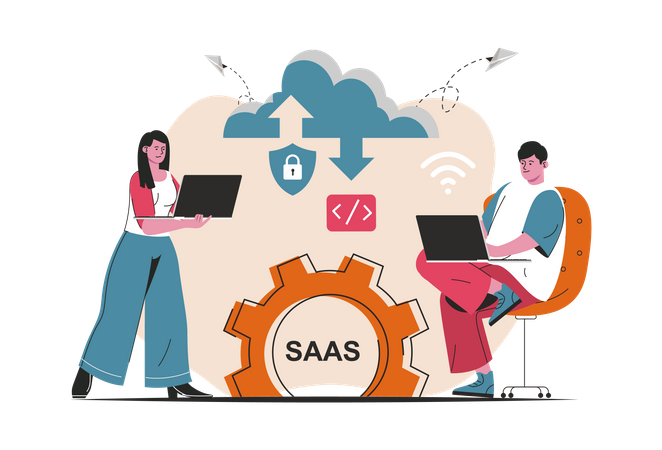
Software as a service in short SAAS has been around for years, it is referred to as a computer software that is Unlike other software delivery models separates “the possession and ownership of software from its use. SaaS use began around 2000, and by 2023 was the main form of software application deployment. Softwares are built to solve a specific problem then its use is then restricted to subscription based payments.
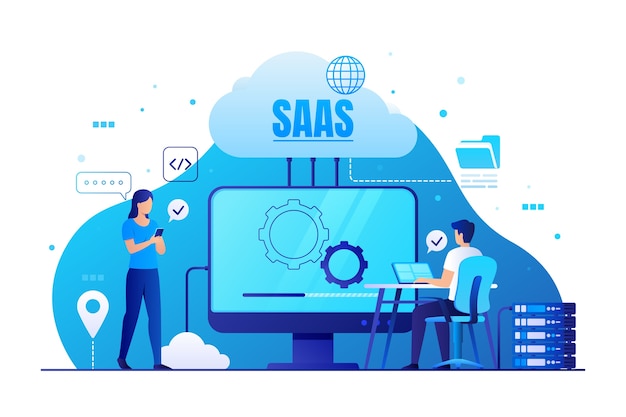
SaaS customers benefit from an abstraction of virtually unlimited computing resources, with the economy of scale helping to lower costs. Typically, SaaS architectures are multi-tenant, meaning they share resources among clients for greater efficiency. However, they may also offer isolated environments for an extra charge. Common revenue models for SaaS include freemium, subscription, and usage-based pricing. Unlike traditional software, purchasing a perpetual license for a specific version is usually not an option.
SaaS is transforming the way businesses operate, offering solutions that are not just efficient but also incredibly flexible. As organizations increasingly shift towards digital transformation, understanding the key benefits of SaaS can empower you to make informed decisions.
The Benefits of Embracing SaaS
- Limitless Computing Resources
- With SaaS, users experience the illusion of infinite computing resources. This means you can scale operations without the hassle of physical hardware limitations.
- Cost Efficiency Through Economies of Scale
- SaaS applications leverage large infrastructure investments, allowing costs to decrease as more users join the platform. This shared model means you can enjoy premium services at a fraction of traditional software costs.
- Flexibility and Accessibility
- SaaS solutions are typically accessible from anywhere with an internet connection. This flexibility supports remote working and enhances collaboration.
- Automatic Updates and Maintenance
- Unlike traditional software, SaaS providers handle updates and maintenance automatically. This saves time and ensures you always have access to the latest features and security enhancements.
- Diverse Revenue Models
- The various pricing models—including freemium, subscription, and usage-based fees—allow businesses to choose plans that best fit their needs and budget. This encourages experimentation and scalability.
Why You Should Dive Right In
- Dive into Innovation Transitioning to SaaS opens up endless possibilities for innovation. With real-time data insights and collaboration tools, organizations can adapt swiftly to market changes.
- Reduced IT Burden By outsourcing infrastructure and maintenance to SaaS providers, your IT team can focus on strategic initiatives rather than troubleshooting software issues.
- Competitive Edge Companies leveraging SaaS can more quickly adapt to new technology and stay ahead of competitors who rely on traditional software models.
- Increased Productivity With streamlined processes and improved tools, employees can work smarter and faster, leading to enhanced productivity.
Conclusion
The future of business lies in SaaS solutions. By embracing this revolutionary model, you position your organization at the forefront of innovation and efficiency. There’s never been a better time to dive in and explore what SaaS can do for you!